Geely EX5 Brings Advanced Short Blade Battery Technology to Nepal



Nepal’s electric vehicle (EV) market is growing very fast, and battery technology has become the most important factor for buyers. The battery is not just a power source in an EV; it is the heart of the vehicle. It directly affects performance, driving range, durability, cost, and overall user experience.
In recent years, Nepal has seen a sharp rise in EV sales, with annual growth reaching up to 180 percent. Electric vehicles now make up nearly 75 percent of total automobile imports. As more customers switch from petrol and diesel vehicles to electric SUVs, interest in battery safety, lifespan, and charging speed has increased significantly.

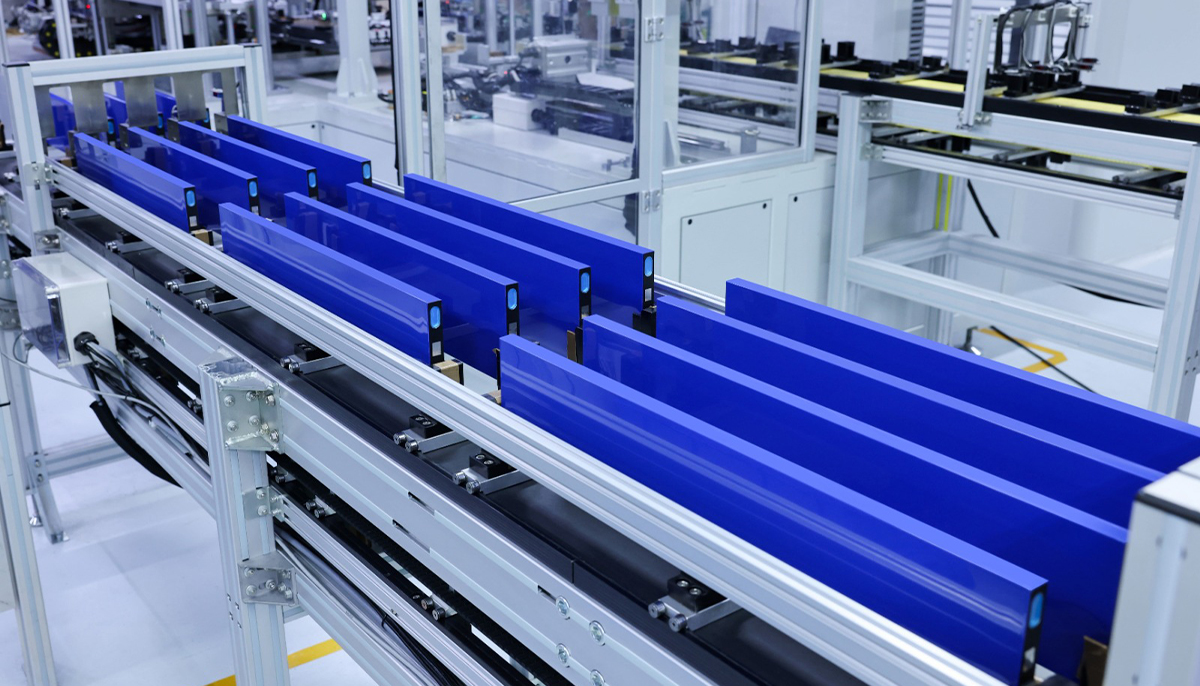
On June 27, 2024, in Hangzhou, Geely Auto Group introduced its new self-developed Lithium Iron Phosphate (LFP) Short Blade EV battery technology. This battery is designed to offer higher safety, better structure, improved energy density, efficient space use, flexible design, and fast charging capability.
The battery uses strong and heat-resistant materials along with Geely’s special Self-Fusing technology. In case of a serious impact or puncture, an internal aluminium layer automatically forms an insulating barrier. This helps prevent short circuits and reduces the risk of thermal runaway.

Geely tested the battery beyond normal industry standards. In one test, eight steel needles were inserted into the battery cell at the same time for one hour, and there was no smoke, fire, or explosion. It also passed a rifle bullet penetration test without catching fire. The battery was further tested under extreme conditions such as seawater immersion, extreme cold, heavy load rolling, side collision, underbody scraping, and fire exposure. In all tests, it showed no thermal runaway, fire, or structural failure.
The battery is designed for long-term use. It can handle up to 3,500 charging cycles, which equals around one million kilometres of driving. For a family driving about 20,000 kilometres per year, this means the battery could last up to 50 years. This long lifespan helps maintain resale value and reduces environmental impact.
The Short Blade battery also performs well in cold temperatures. At minus 30 degrees Celsius, it retains over 90 percent of its capacity, which is higher than many conventional batteries. Even at minus 25 degrees Celsius, it maintains more than 92 percent efficiency and can charge up to 90 percent in about 20 minutes without needing extra heating systems.
The Geely EX5 comes with a 160 kW motor and can accelerate from 0 to 100 km/h in 6.9 seconds. With an 11 kW AC charger, the battery charges from 10 percent to 100 percent in around 6 hours. Using a 100 kW DC fast charger, it can charge from 30 percent to 80 percent in just 20 minutes. According to Mr. Shrestha, the strong battery performance, good range, and faster charging have made the EX5 popular among Nepali buyers.
Nepal’s roads and terrain can be challenging, with steep hills, rough gravel roads, and occasional flooding. The EX5 battery is built to handle these conditions. It features a reinforced grid-frame structure, a three-layer bottom guard plate, and Cell-to-Body (CTB) integration for extra protection. The battery has been tested under heavy loads and stone impacts without damage. Even long exposure to seawater did not affect its performance, making it suitable for flood-prone areas.
With its high safety standards, long lifespan, strong performance in extreme weather, and advanced structural design, Geely’s Short Blade battery technology helps position the Geely EX5 as one of the safest and most durable electric SUVs available in Nepal and around the world.

Changan Nevo Q05 Delivered to Five Nepali Celebrities

Omoda Jaecoo Continues Nepal Premier League Partnership for 2026